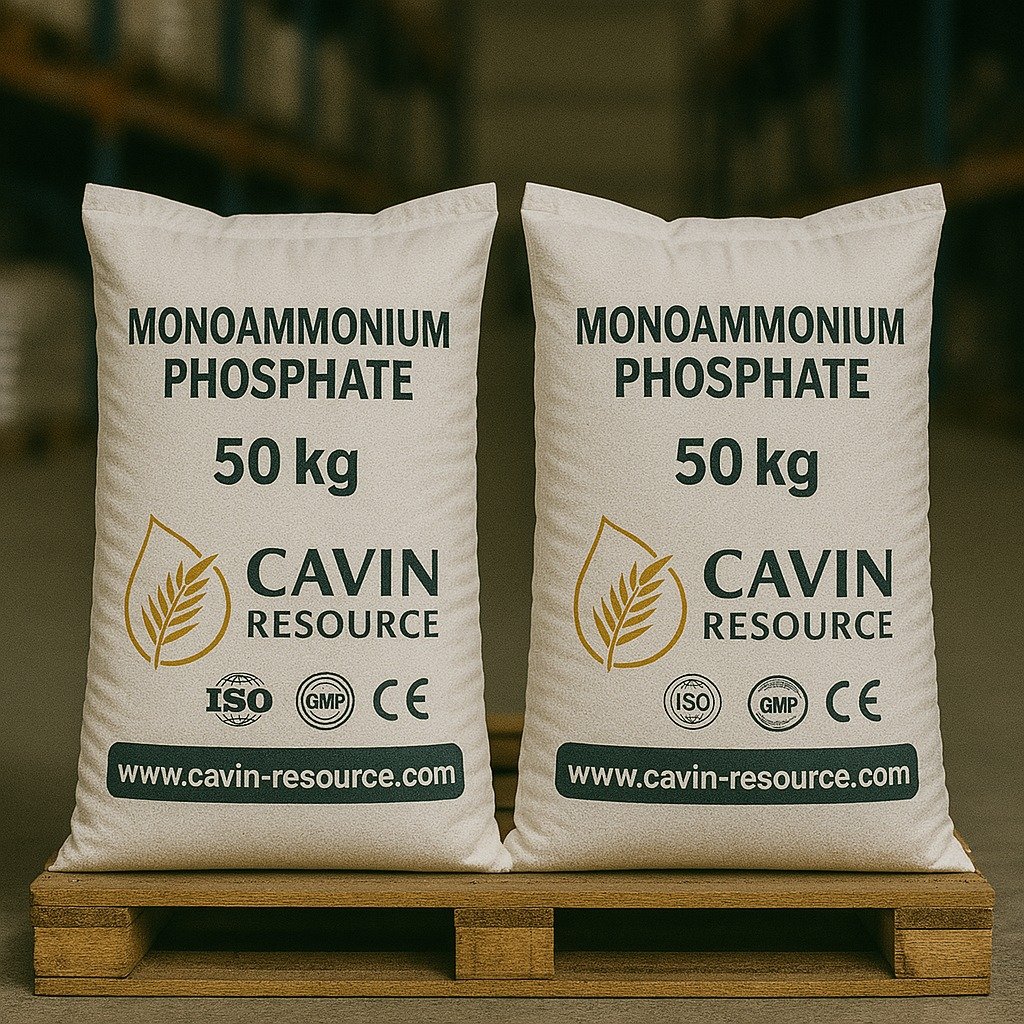
Monoammonium ammonium phosphate (MAP represents a highly concentrated plant nutrient prized for its unique composition . This powdered material, typically referred to as 11-52, delivers considerable amounts of P2O5 – vital for root growth – alongside a decent level of ammonium nitrogen. The lack of K contributes to its specialized application in horticulture where P needs remain paramount .
What Represents 11-52-0 Plant Food? A Detailed Explanation
11-52-0 fertilizer is a specialized form of mixture primarily used to encourage P assimilation in crops. The numbers, 11-52-0, show the percentage by weight of N, phosphorus, and K2O, respectively. In other copyright, it contains 11% nitrogen, a substantial 52% phosphorus, and 0% K. This high-phosphorus content makes it particularly valuable for rooting seedling growth and correcting P lack in the ground. While it offers significant benefits, remember that it lacks K, so a complete fertilizer may be needed for overall vegetation health.
NPK 11-52-0: Perks and Uses in Crop Production
MAP 11-52-0, or Phosphorus Fertilizer, is a highly effective fertilizer commonly employed in contemporary agricultural practices . Its distinctive composition – containing 11% ammonia and 52% phosphorus – provides critical nutrients for vegetation growth and development . Producers often employ MAP 11-52-0 to increase base development, encourage early flowering , and strengthen overall harvest.
- Promotes robust root systems.
- Essential for early vegetation development.
- Facilitates in producing high-quality produce .
Maximizing the Possibility of Monoammonium Phosphate Fertilizer
Monoammonium Phosphate offers the opportunity for increasing plant output. Its significant content of both phosphorus and nitrogen makes it the preferred solution for diverse producers, particularly in starter periods of growth . Careful application of monoammonium phosphate can lead to stronger root growth and improved general agricultural health .
MAP Fertilizer
Monoammonium MAP fertilizer (11-52-0) is a key fertilizer recognized for its effectiveness to increase agricultural output. This particular mixture delivers a significant concentration of P - critical for root structure and initial development - alongside a useful amount of N for strong top emergence. Incorporating MAP correctly can lead to marked gains in overall crop productivity.
MAP {11-52-0: Your Inquiries Addressed
Many growers have concerns about this fertilizer, particularly regarding its composition of 11-52-0. Essentially, this indicates the percentage of total nitrogen, phosphate, and monoammonium phosphate safety data sheet K2O respectively. It’s a highly easily dissolved source of P, crucial for root development and flowering. Below are some common points:
- What is the upside of using MAP? MAP offers a concentrated dose of phosphorus, which may be particularly helpful in soils deficient in phosphorus.
- How is it best to apply MAP? It’s typically broadcast and incorporated the soil, or used in starter fertilizer systems.
- Is it possible to combine MAP with other fertilizers? While compatible with some, always check compatibility to avoid reactions.
Remember that a soil analysis is always advised to assess the exact nutrient needs of your plants.